Ellis Jung · 2 September 2026
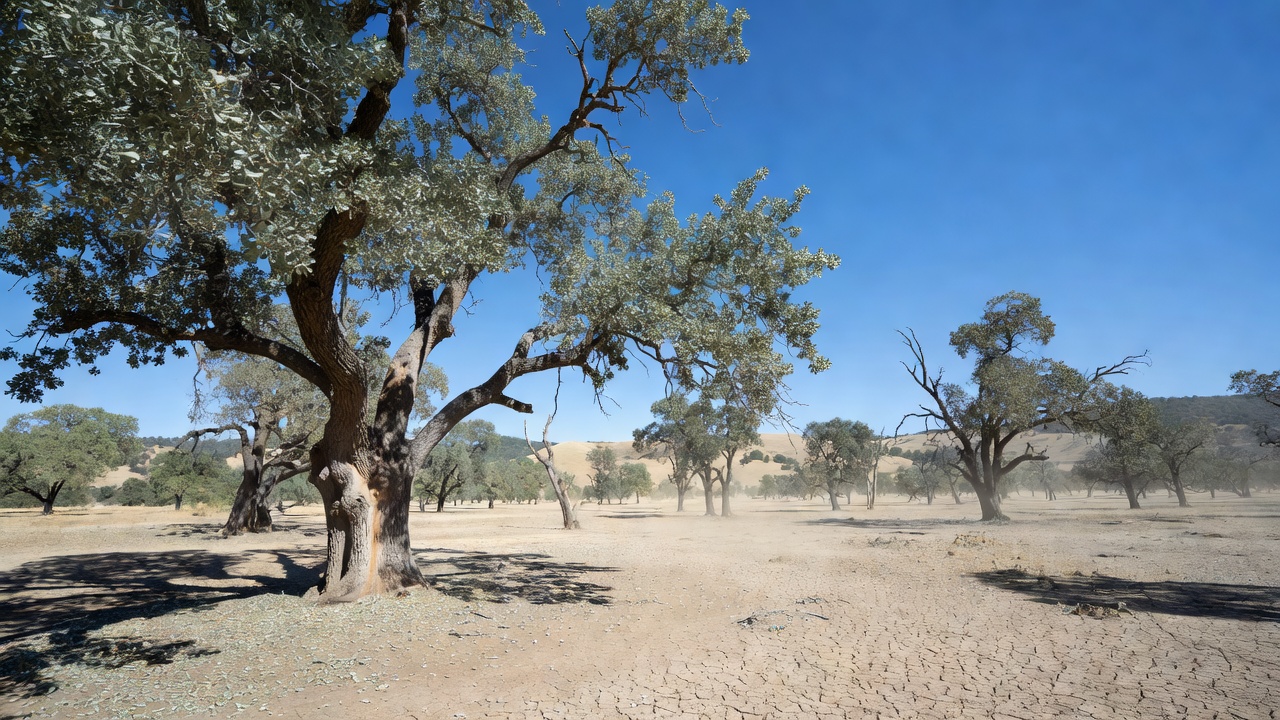
California blue oaks are experiencing heightened stress from extended drought across the state's foothills. Field surveys show reduced canopy cover and lower acorn yields in multiple counties. Soil moisture deficits have persisted for several years, exceeding the species' typical tolerance thresholds.
Documented Population Declines
Mortality rates have risen sharply in stands monitored since 2012. Mature trees display crown dieback and increased susceptibility to secondary pests. Regeneration is limited because seedlings fail to establish during dry winters. Data from the US Forest Service indicate a 15 percent drop in blue oak density in affected regions over the past decade. Acorn-dependent wildlife populations are also declining as food availability shrinks.
Researchers note that blue oaks normally survive seasonal dryness through deep roots, yet consecutive years of below-average rainfall deplete groundwater reserves. Temperature increases compound water loss through higher evapotranspiration. These combined factors slow growth and weaken tree defenses against pathogens.
Conservation Responses and Outlook
State agencies are expanding monitoring networks and testing supplemental watering at priority sites. Restoration projects focus on planting acorns from drought-hardy parent trees. Landowners receive guidance on reducing competition from invasive grasses that further deplete soil moisture. Models project more frequent severe droughts, requiring proactive management to maintain woodland cover and biodiversity.
Long-term success depends on coordinated efforts among agencies, researchers, and private landowners. Continued data collection will guide adaptive strategies to protect remaining blue oak populations under changing climate conditions.